Procedural Gas Giants
Procedural gas giants for Unity (URP and HDRP): twenty types, generated from a preset and a seed, six of them with rings that shade the planet and take its shade. Every seed gives a gas giant of its own; a preset only sets the design, and you can change presets or make your own. Made to be seen from a moon, a ship or a system view.
Unity 6.3 LTS or newer · URP and HDRP · Version 1.0.0

What it is
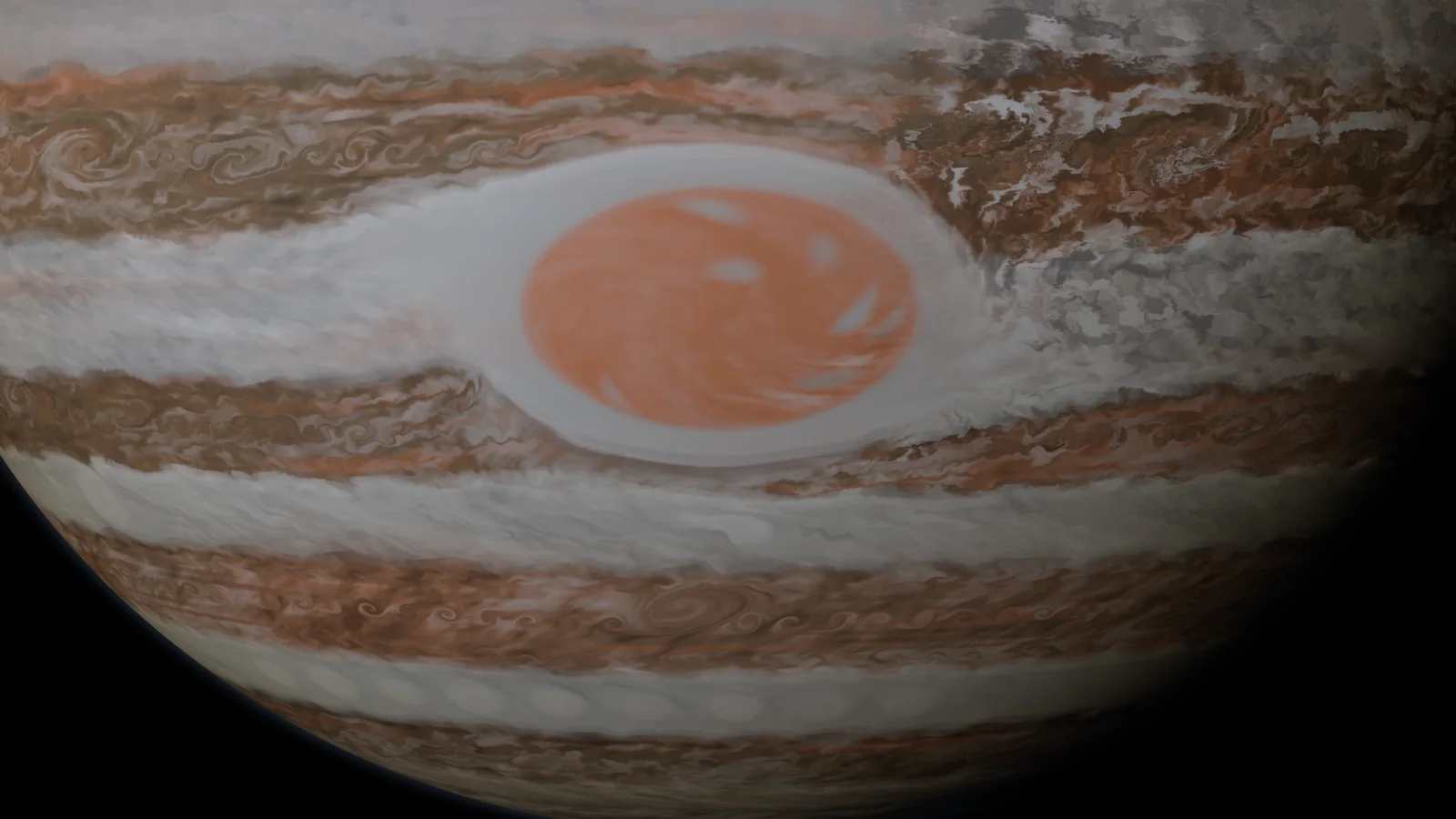
Procedural Gas Giants generates gas giants from a preset and a seed: cloud bands and storms, a haze at the limb and, on six types, a ring. The preset sets the design of the type, the seed picks the gas giant (its bands, storms and ring); size and quality are set per gas giant. Every gas giant is generated, not painted, and a preset only sets the design of a type. Presets are adjustable: every value in the preset inspector can be changed, and a duplicated preset is a type of your own.
Generation runs in the editor or at runtime, in the background over several frames, with a progress value and cancellation. A generated gas giant can be stored as an asset in four sizes and then draws without generating anything. The body is traced per pixel and writes its depth, so other objects sort correctly in front of and behind it; the ring is a transparent object.
The gas giants are made to be seen from outside: from a moon, from a ship, as the giants of a star system. There is no interior and no camera inside the body.
Twenty types
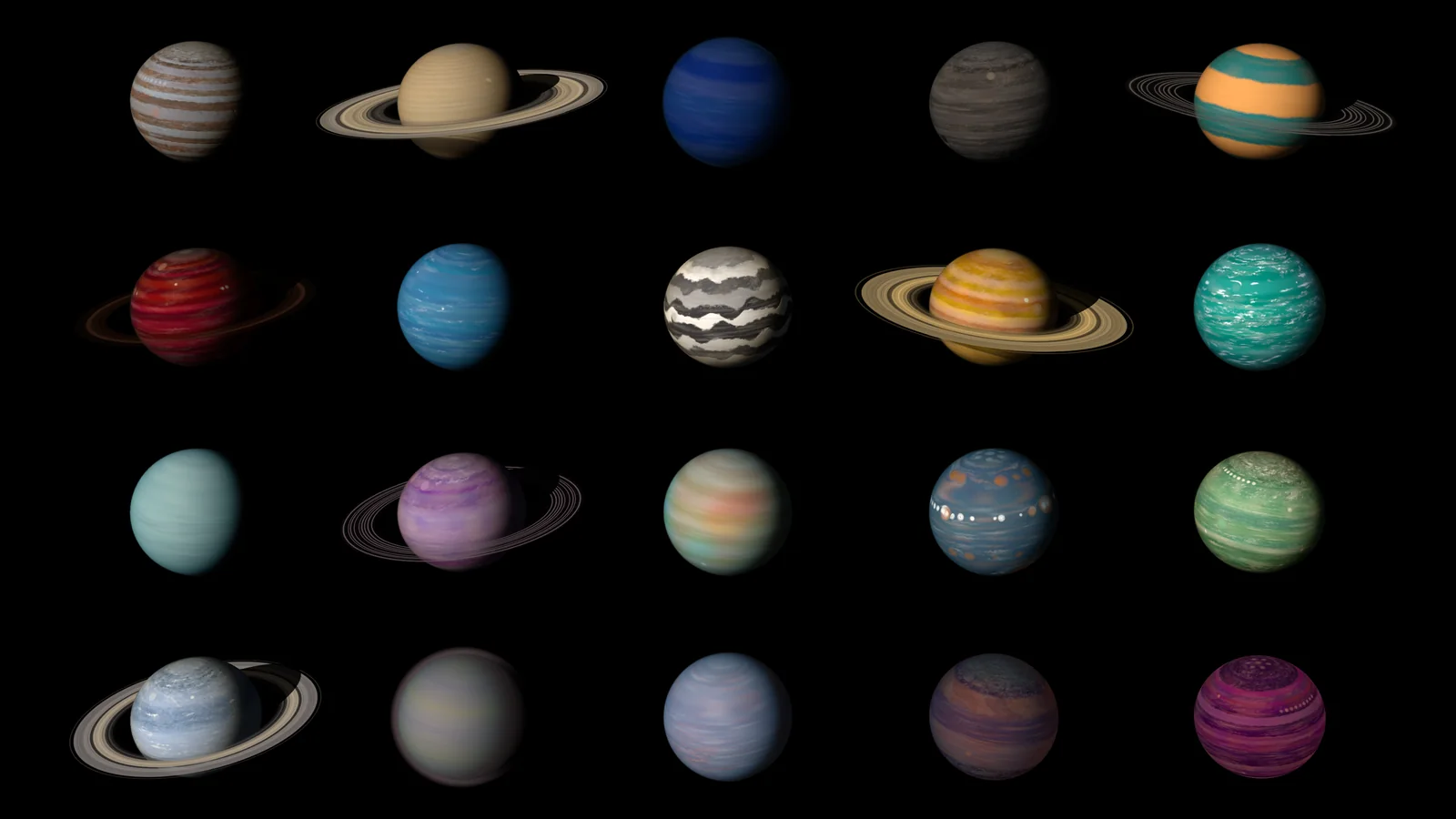
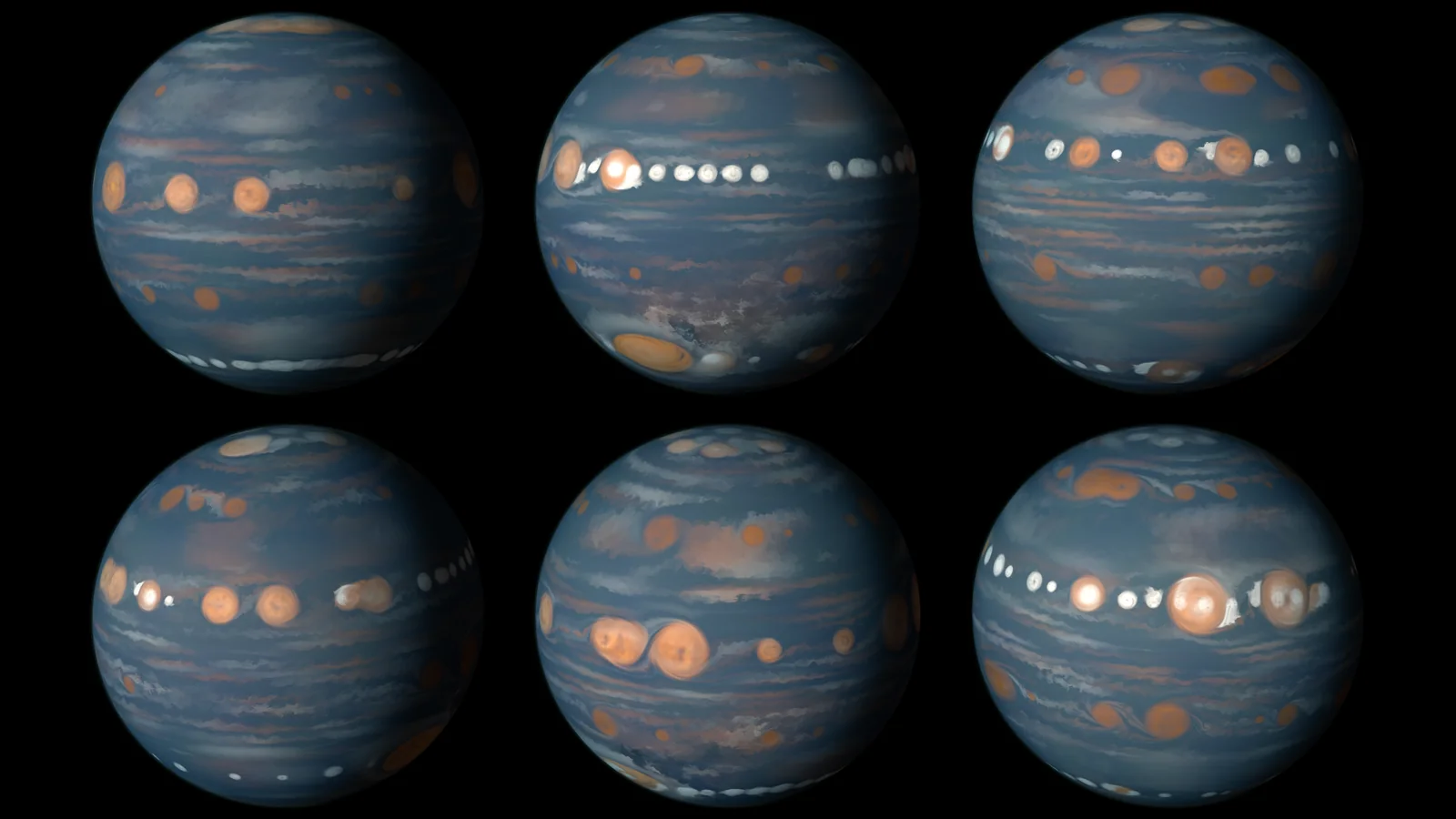
Twenty presets, four real and sixteen invented. Each combines with any seed.
| Group | Types | Note |
|---|---|---|
| Real | Jupiter, Saturn, Uranus, Neptune | Saturn has a ring |
| Invented, with ring | Amethyst, Crimson, Golden, Striped, WaterCloud | Narrow, dusty and saturnian rings |
| Invented, without ring | Alkali, Azure, BrownDwarf, Eye, HotJupiter, Jade, Marble, Pastel, Storm, SuperPuff, Teal | BrownDwarf glows from inside, HotJupiter has a warm deep layer |
Rings
Six types have a ring, and no two seeds share one.
Saturnian
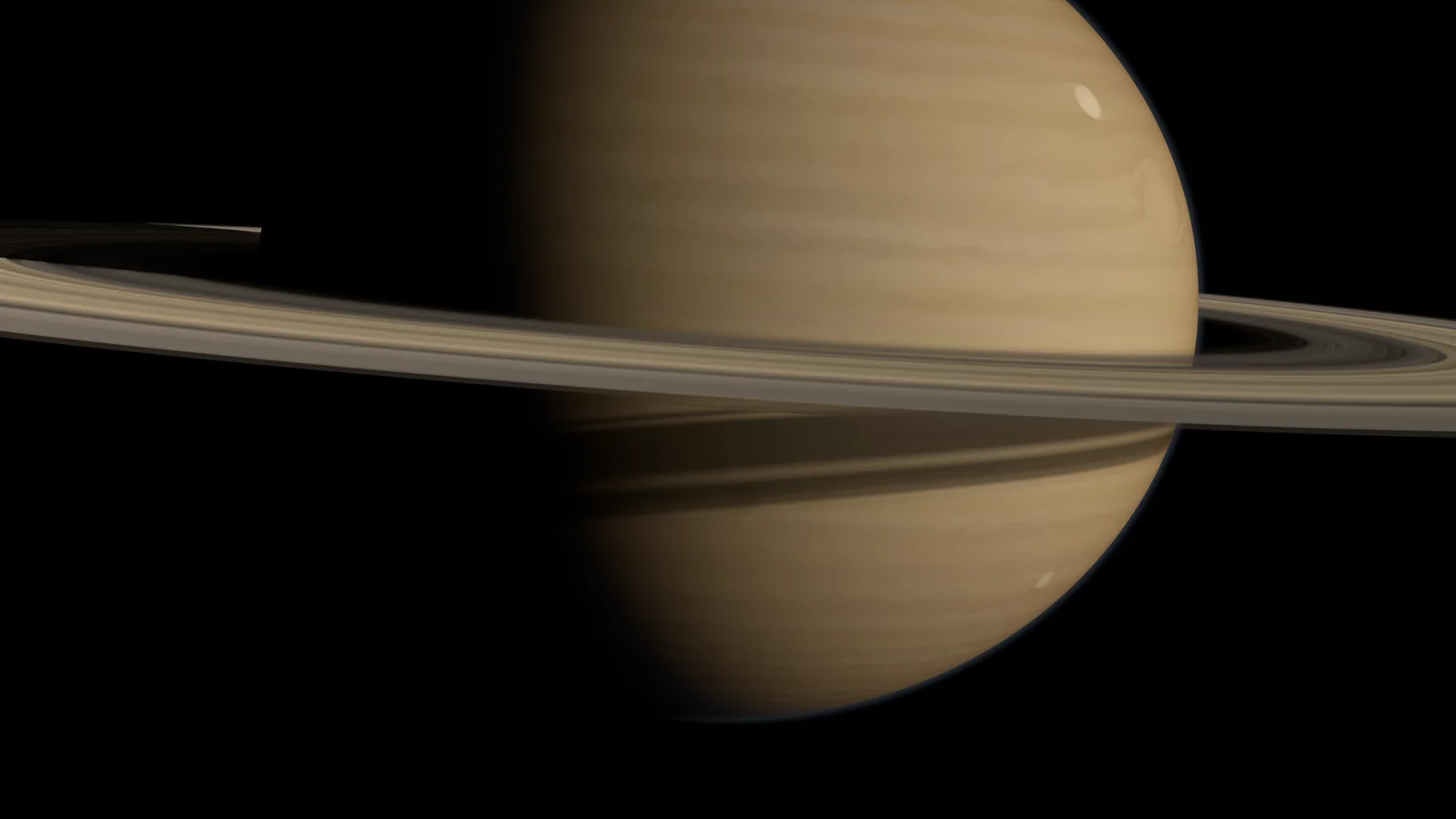
Zones of different density, a dark division and fine ringlets. Saturn, Golden, WaterCloud.
Narrow
A few dark, crisp ringlets. Amethyst, Striped.
Dusty
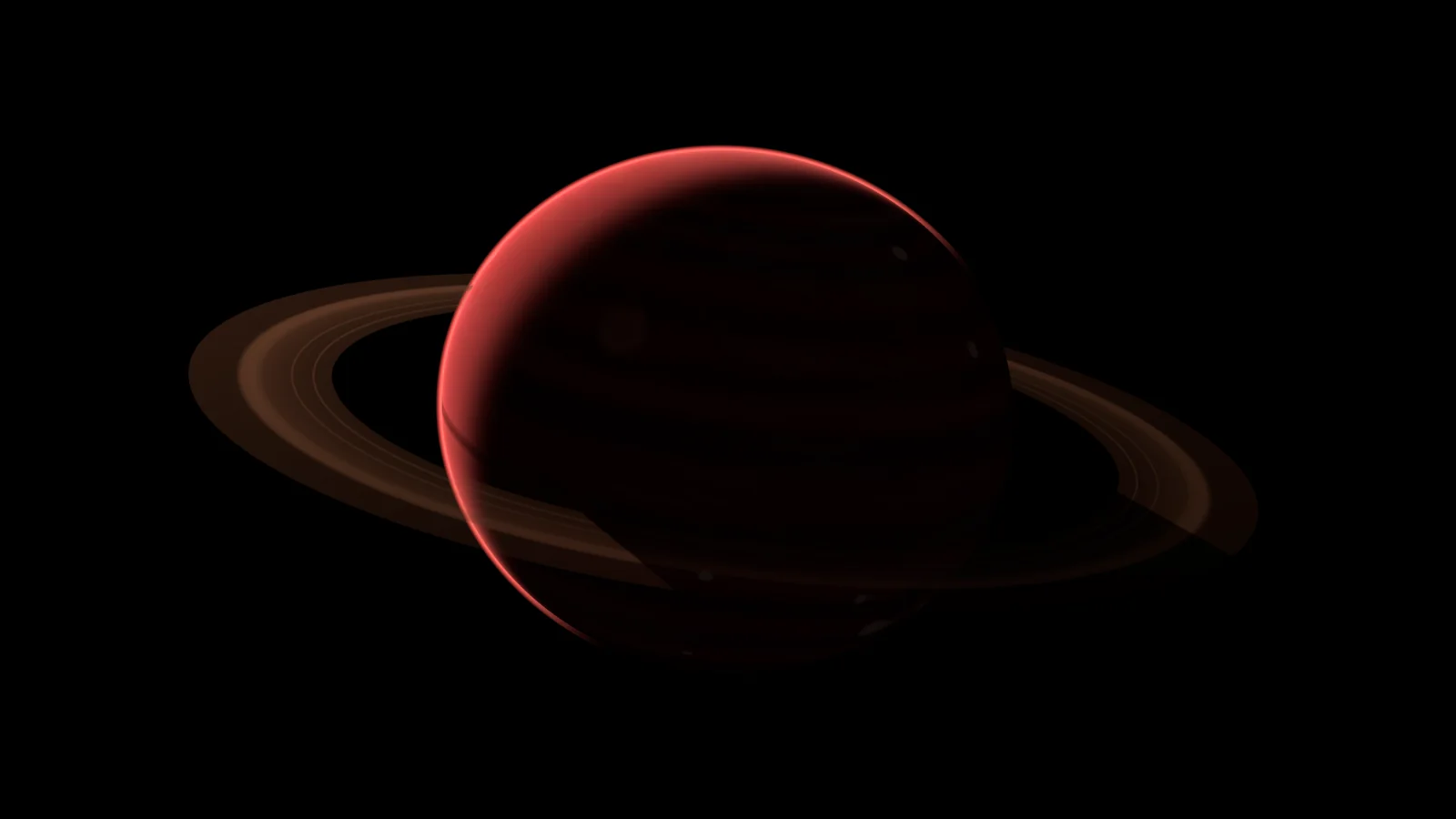
Faint, bright against the sun. Crimson.
Varied by seed
Colour, density, gaps and width change with the seed.
Shade both ways
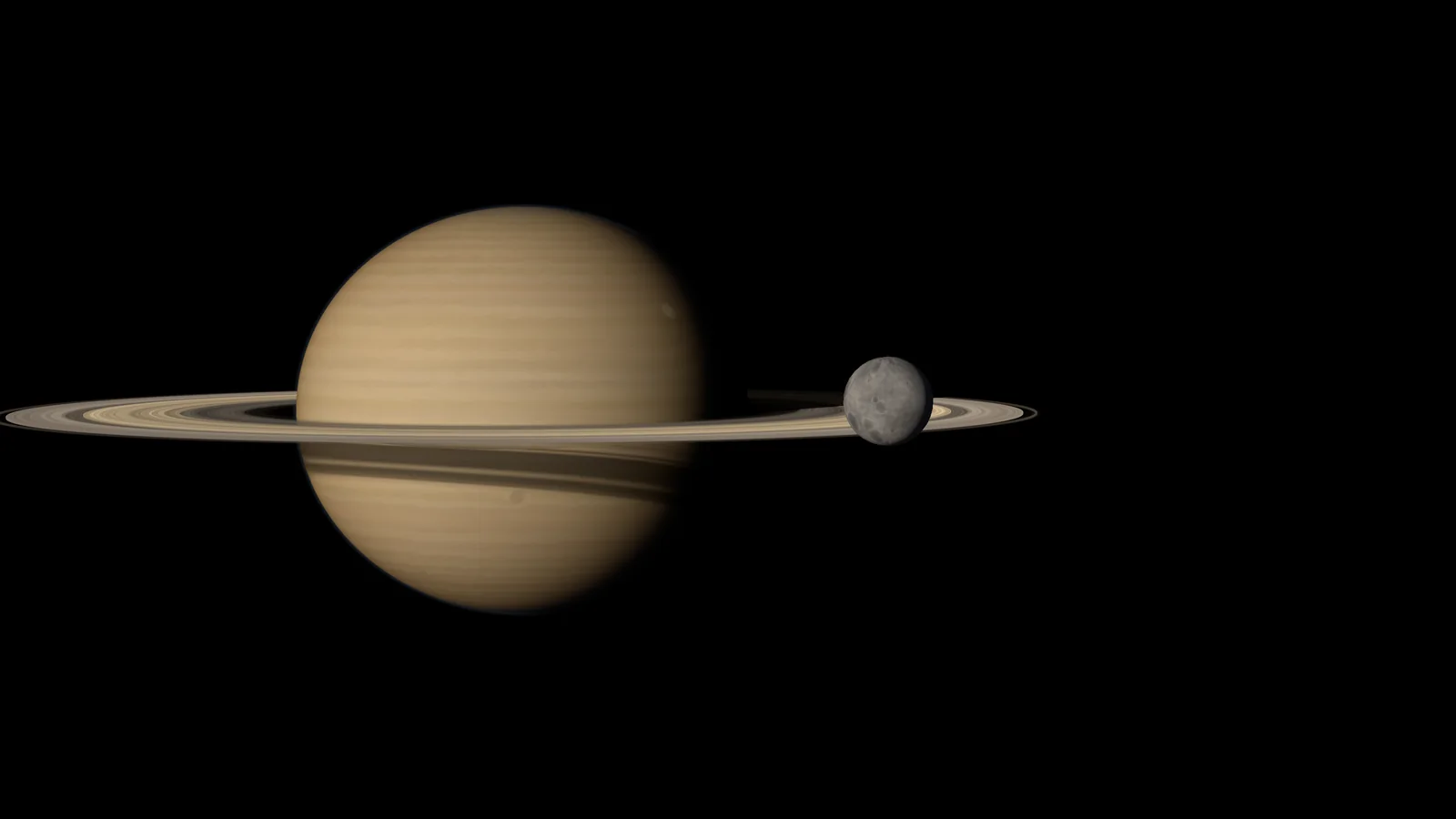
The ring shades the gas giant and takes shade from it and from moons.
Switch off
One checkbox per gas giant.
Generate and bake
Generate where it suits your game, or once in the editor.
Generate in the inspector
Preset, seed, size, Generate. Runs in the background; the editor stays usable.
Generate from code
One awaitable call, spread over frames within a GPU budget, with progress and cancellation.
Bake to Asset
Tick 256, 512, 1024 and 2048; one texture set per size, ring included. A stored gas giant draws without generating.
Look overrides
Ten values per gas giant: haze, relief, translucency, heat, flattening and the ring light.
Samples
Generate on start, in the background, a line-up of all types, a stored gas giant, a camera through the ring plane, size by distance.
| Texture size | Texture memory | Generation time |
|---|---|---|
| 256 | 1 MiB | 57 ms |
| 512 | 4 MiB | 62 ms |
| 1024 | 16 MiB | 114 ms |
| 2048 | 64 MiB | 275 ms |
Jupiter, measured in a player build on a AMD Radeon RX 9070 XT class, 1920 × 1080. The editor shows the memory for each size before you generate.
Quality levels
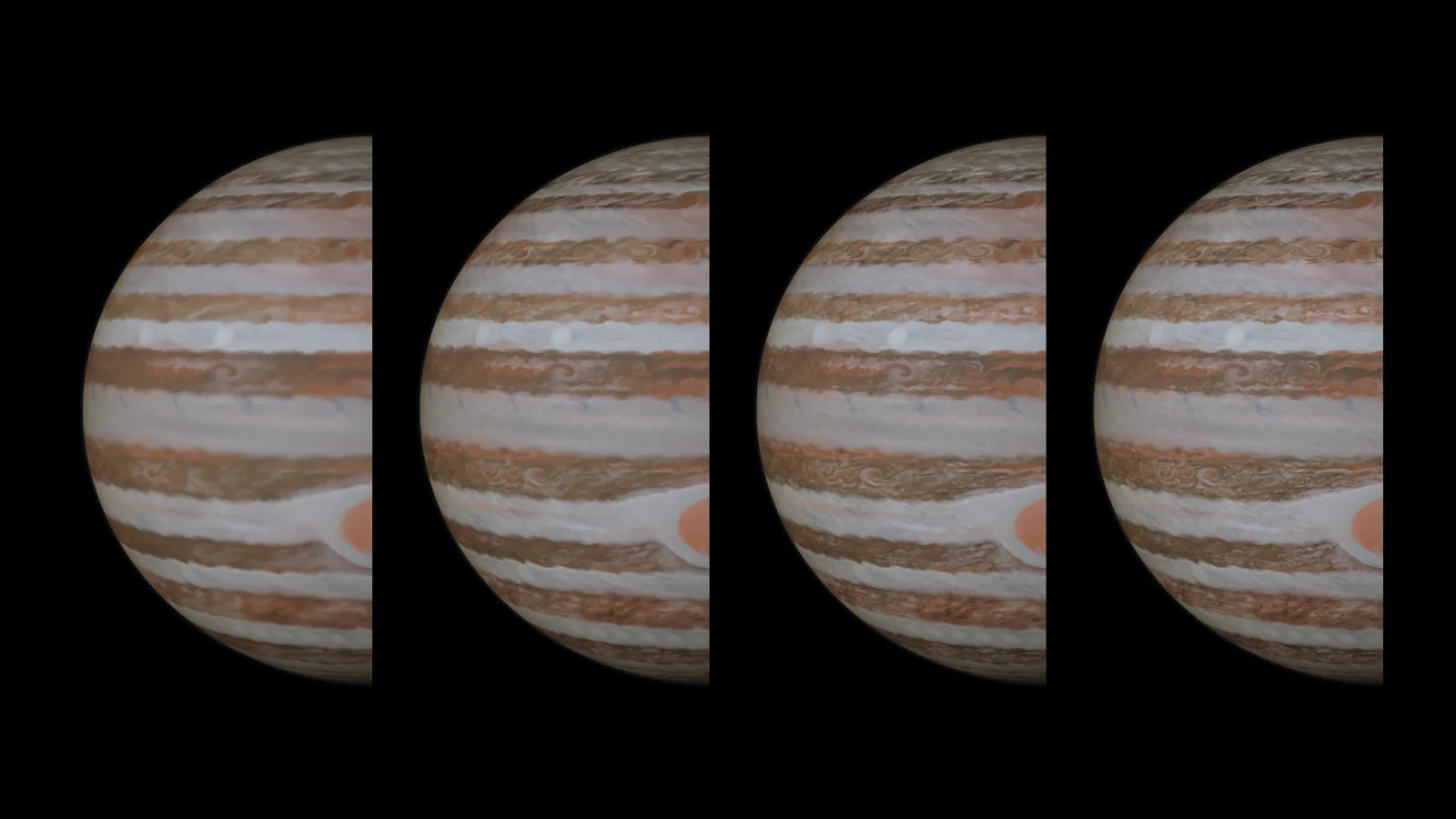
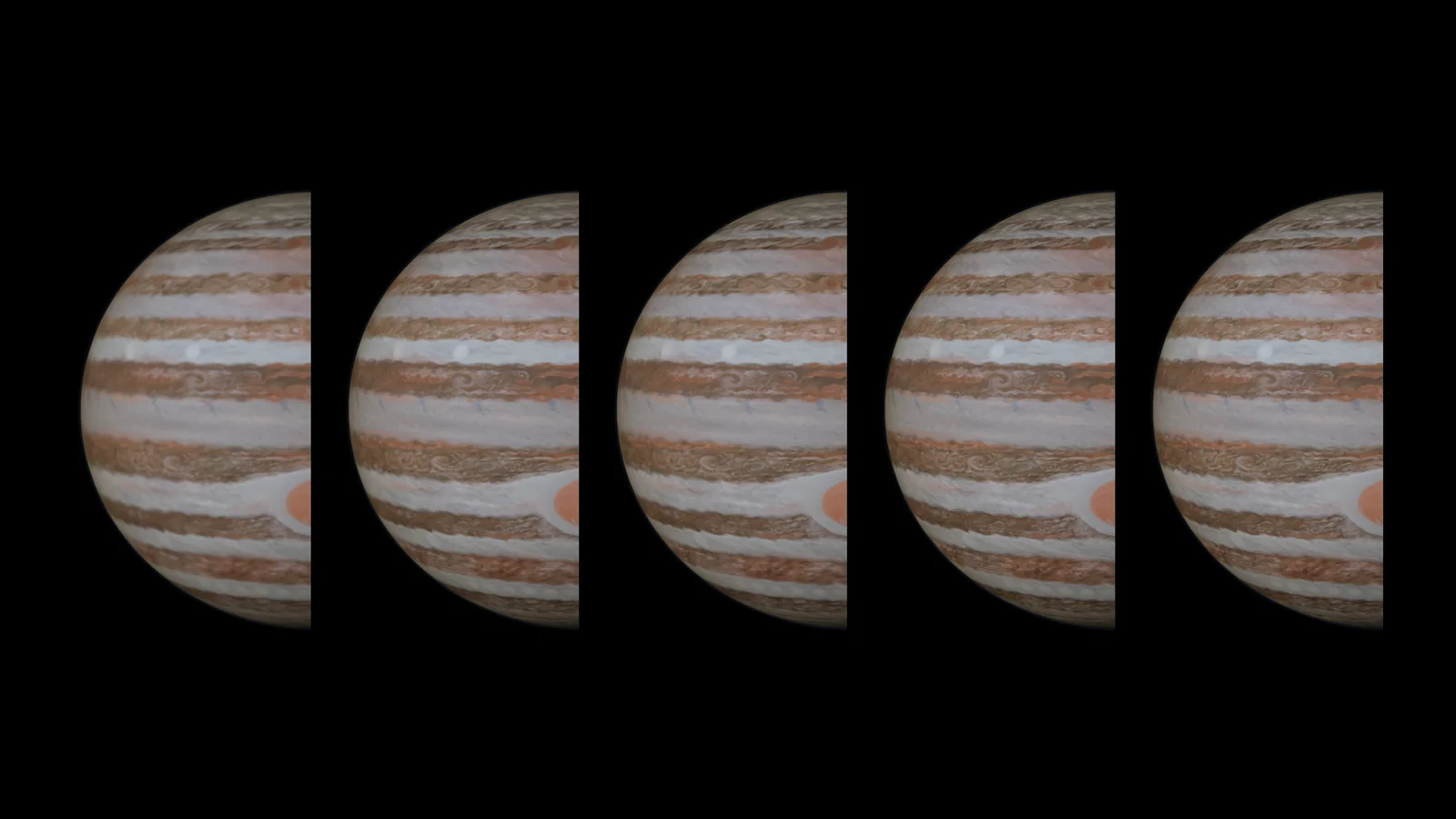
Choose per gas giant or project-wide. Distant gas giants can stay cheap while the one in front gets the full look.
| Level | Largest texture edge read | Cube taps |
|---|---|---|
| Minimal | 512 | 1 |
| Low | 1024 | 4 |
| Medium | 1024 | 8 |
| High | 2048 | 8 |
| Ultra | 2048 | 8 |
A gas giant that fills the screen height at 1080p costs 0.24 to 0.51 ms in URP and 0.05 to 0.28 ms in HDRP (AMD Radeon RX 9070 XT class; Jupiter, Saturn, Neptune, Amethyst and Storm; all levels).
Rendering
Drawn like any object in the scene.
Body
An ordinary renderer in every camera. The sphere is traced per pixel and writes its depth: ships and moons intersect it correctly.
Ring
A transparent object, traced as a thin slab. It reads the scene’s depth, writes none and sorts with other transparent objects.
Light
A Gas Giant Sun marks the light; HDRP gas giants follow the camera exposure.
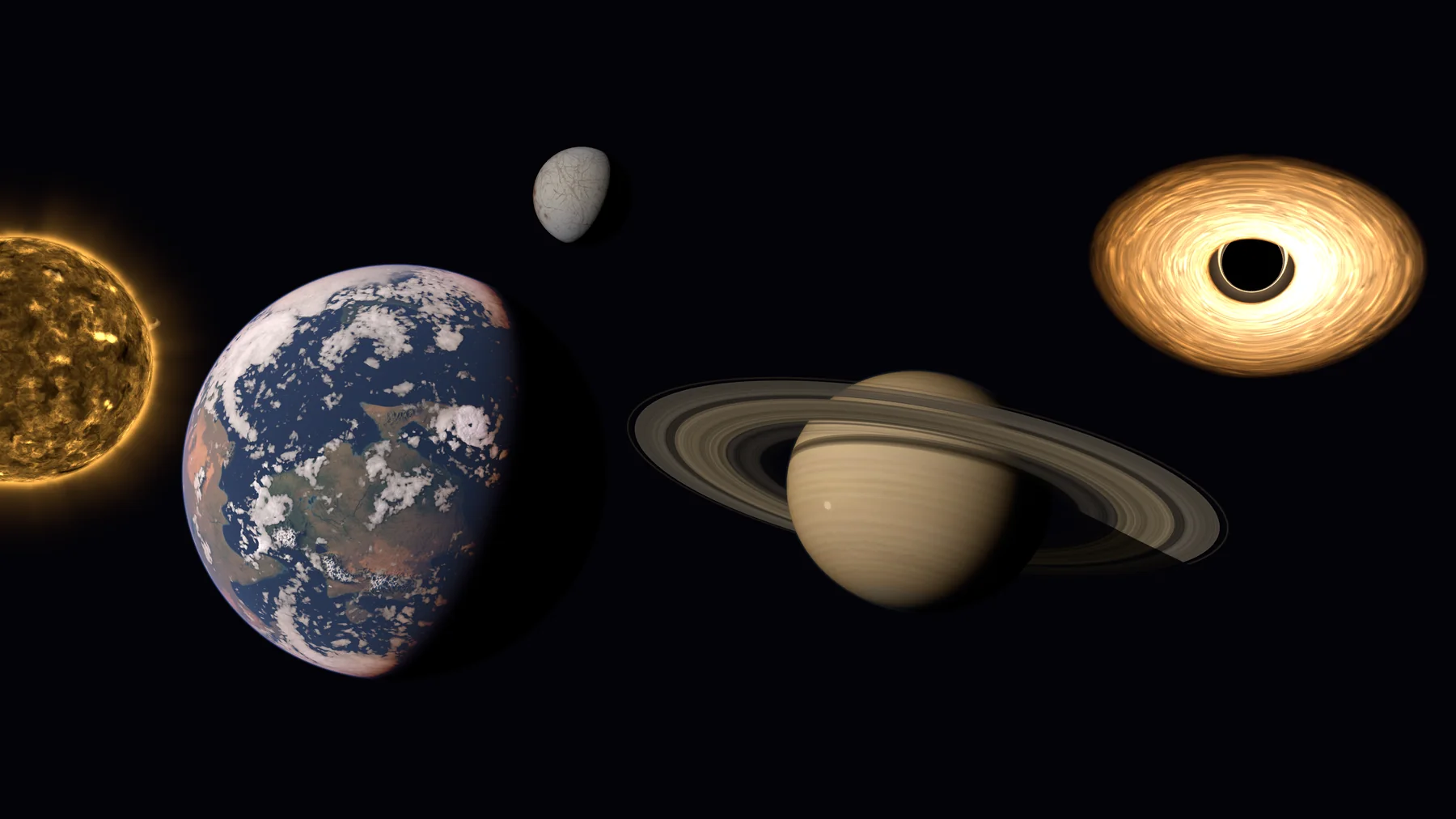
Works together with Procedural Stars and Procedural Planets
The packages install side by side and share no code.
- Put the Gas Giant Sun on the light that drives your star or planets.
- Give a moon from Procedural Planets a Gas Giant Occluder and it shades the gas giant and its ring.
- None of them is required. See also Procedural Black Hole.
How it works
- 01
Pick a type and a seed
Drop a preset on the Gas Giant component, press Randomize for another gas giant: the preset sets the design, the seed the surface.
- 02
Generate
In the editor or from code; the package builds the bands, storms and ring in the background.
- 03
Keep it
Bake to Asset stores the gas giant in your project; it then draws without generating.
Requirements
- Unity
- 6.3 LTS or newer
- Render pipeline
- URP and HDRP
- Graphics API
- Compute shaders for generating gas giants: Direct3D 12, Vulkan or Metal. Stored gas giants draw without them. Direct3D 11 is not supported.
- Gas giants per scene
- Any number; texture memory per gas giant depends on the size you choose.
- Platforms tested
- Linux (Vulkan). Windows (Direct3D 12) is set up but not tested yet.
Good to know
- Built for viewing from outside; there is no interior and no camera inside the gas giant.
- The cloud picture is generated once and turns with the body: no moving clouds, lightning or aurora in this version.
- The ring belongs to the gas giant: no rings around other bodies, none for the fourteen types without a ring.
- Moons come with Procedural Planets.
- The ring writes no depth: depth of field, motion blur and soft particles do not see it, and it sorts with other transparent objects by distance.
- No streaming and no disk cache: you decide when to generate, at what size and what stays in memory.
- Not tested on mobile or WebGL. Direct3D 11 and macOS are not supported.
FAQ
Which gas giants are included?
Twenty types: Jupiter, Saturn, Uranus, Neptune and sixteen invented ones, each with any seed. Six have rings.
Are the gas giants fixed textures?
No. Bands, storms and rings are generated for every seed; a preset only sets the design of a type.
Can I change a preset or make my own?
Yes. Every value in the preset inspector can be changed and a duplicated preset is a new type. There is no dedicated tuning editor, so extreme values can give a plain surface.
Can I put a ring around a planet?
No. The ring belongs to the gas giant. Moons come from Procedural Planets and can shade the ring.
Do the clouds move?
No. The cloud picture is generated once and turns with the gas giant.
Does generating stall my game?
Generation runs in the background, spread over frames within a GPU time budget you set, with progress and cancellation. How long a gas giant takes at each size is listed in the documentation.
Can I avoid generating at run time?
Yes. Bake gas giants to assets in the editor and load them. A game with stored gas giants only can leave out the generation assembly.
How much memory does a gas giant use?
It depends on the texture size you choose: 1, 4, 16, 64 MiB for sizes 256 to 2048; the ring adds 0.25 MiB.
Do I need a renderer feature or custom pass?
No. A gas giant draws like any object in the scene.
Which render pipelines are supported?
Both URP and HDRP.
Does it work with Procedural Stars and Procedural Planets?
Yes. The packages install side by side; see “Works together”.
Does it run on Windows?
Windows (Direct3D 12) is set up but not tested yet.